
How Two People in the Same Situation Can Have Completely Different Experiences
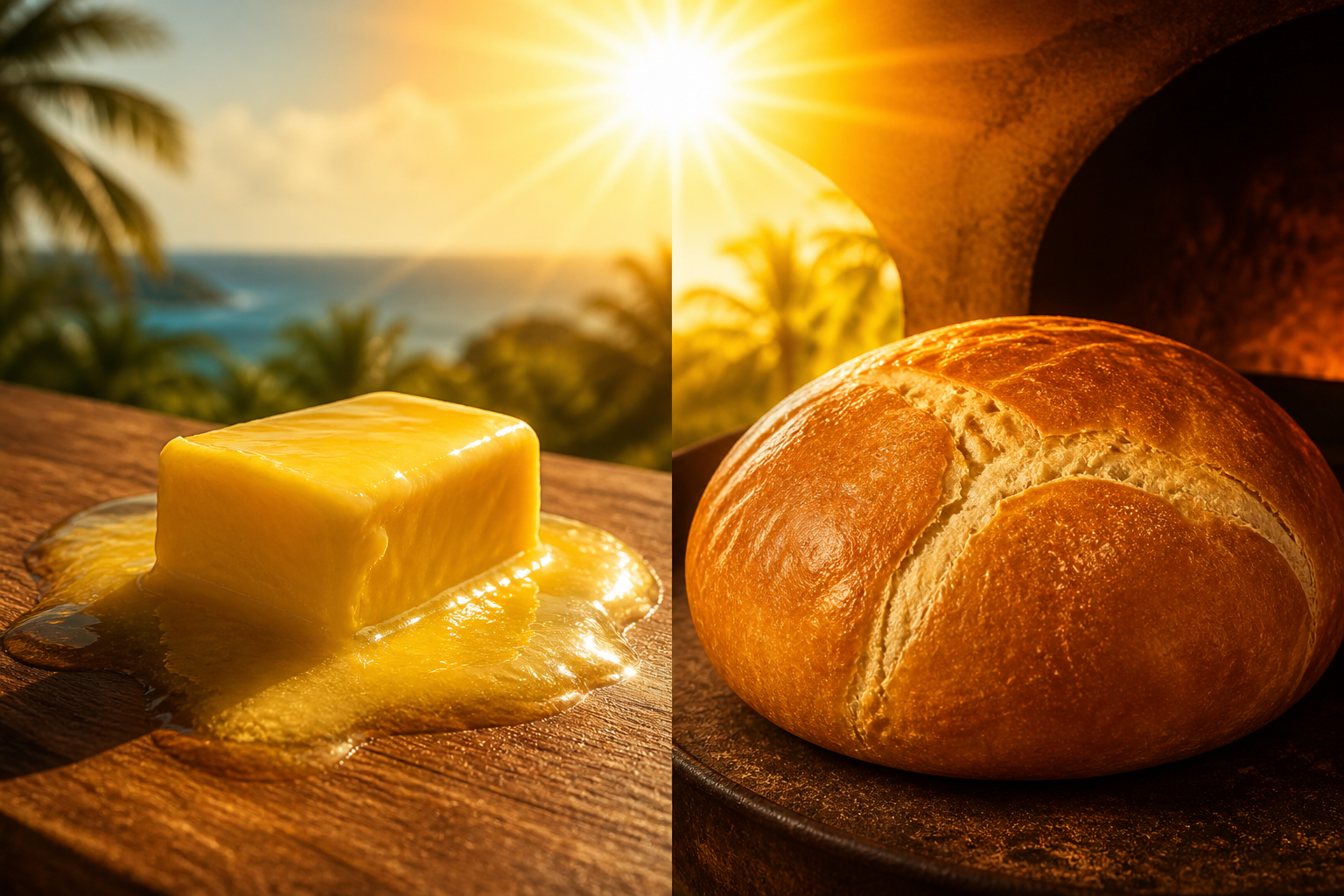
The sun does not choose. It rises the same way every morning over Kingston and St. Thomas, over the Blue Mountains and the sea. It gives the same heat to the butter on the table and the bread in the outdoor oven. The butter yields. The bread rises. Same sun. Same heat. Completely different outcomes. This is one of those Jamaican proverbs we should sit with. At first it sounds like something about resilience: toughen up, be the bread. But the profound wisdom of this proverb is that we shouldn’t assume that two people facing the same circumstances, are having the same experience.
The Proverb at Its Depth
Di same sun wah melt butter, bake bread. The sun doesn’t change. What changes is what it touches. Put butter in the sun, it melts. Put dough in the same sun, it eventually becomes bread. The difference isn’t the sun. It’s the nature of each thing.
This proverb is about that simple truth: the same situation can affect people in very different ways. And that difference is not wrong. It’s just how people are made. Melted butter can become something rich and useful. Bread baked in heat is just as valuable. One is not better than the other.
What matters is understanding that people respond differently to the same pressure. When we really accept that, it changes how we deal with challenges, and how we treat others going through them.
In the Home: Same Situation, Different Feelings
When families go through something difficult – a death, a move, money problems, a child struggling – the same “sun” is shining on everyone. But inside, each person is having a different experience. One person becomes busy and takes charge. Another shuts down and goes quiet. One parent adjusts quickly. The other feels broken.
Same house. Same event. Different reactions.
The mistake families make is expecting everyone to respond the same way. But they won’t. Instead of asking, “Why aren’t you handling this better?” Ask, “What is this like for you?” That question opens understanding instead of conflict.
In Relationships: One Argument, Two Stories
Two people can have the same argument and walk away with completely different versions of what happened. One thinks it was a calm conversation. The other feels attacked. One thinks they were giving space. The other feels ignored.
It’s not always that one person is wrong. It’s that the same moment feels different to each person. Relationships break down when people assume their experience is the only valid one. This proverb teaches something deeper: Real closeness comes from understanding how the same situation feels different to the person you love. After an intense or important conversation, consider asking your significant other: How did that conversation feel to you?
At Work: Why People React Differently to Change
Every leader has seen this. You announce a change that makes perfect sense, and people react in completely different ways. One employee feels excited about new possibilities.
Another feels anxious and unsettled. Same message. Same meeting. Different reactions.
Good leadership doesn’t ignore this. It works with it. Instead of expecting everyone to respond the same way, ask: How is this change affecting each person? What support do they need?
The butter isn’t broken. The bread isn’t better. Both just need different handling.
Living the Proverb
When you’re going through something hard, don’t compare your response to someone else’s. You may be built differently. When someone close to you reacts differently than you do, don’t assume. Ask. What is this like for you?
At work, before making changes, think about your team: Who thrives under pressure?
Who struggles? Both types of people have value. They just need different support.
The sun doesn’t change what it does. Butter melts. Bread rises. Neither needs to apologize. We are who we are in the heat of our lives. Let us bring ourselves honestly to each encounter.
The real question is not: Who is handling this better? The real question is:
Can you understand what the heat is doing to you and to the people around you?
Think about a current situation in your life. What kind of transformation is the sun bringing about in you? Is it baking or is it melting? What would it mean to trust that transformation rather than resist it? And how can you slow down and be curious about how others are experiencing the same thing?
Leave a Reply