
What Jamaica’s National Heroes Still Have to Teach Us
Every October, the familiar faces return.
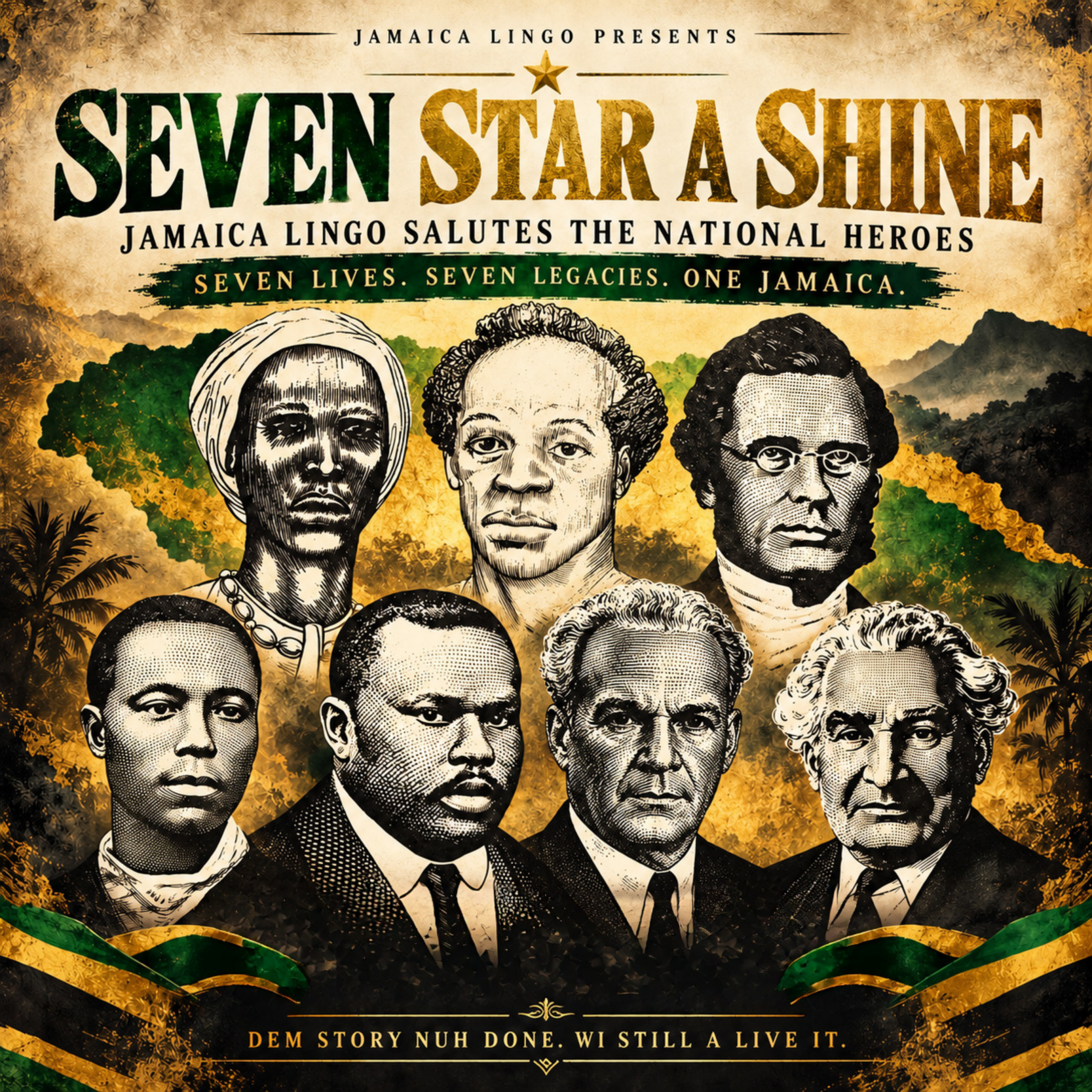
Nanny. Sharpe. Bogle. Gordon. Garvey. Manley. Bustamante. We see them on posters. We hear their names at school ceremonies. We remember rebellions, speeches, political movements and dates we once had to learn for exams. It occurred to me recently that Jamaica’s National Heroes deserve more than an annual roll call.
They were people who looked at the Jamaica in front of them and decided that something had to change.
Some fought enslavement. Some confronted injustice. Some organized workers. Some challenged colonial power. Some imagined Black people standing taller in the world. Some helped shape the political institutions through which an independent Jamaica would govern itself.
Their stories differ greatly. Yet running through all seven is one powerful Jamaican instinct:
Wi cyaan just accept tings so.
Nanny: Freedom Must Sometimes Be Defended
I always understood that Nanny of the Maroons was a complex character who had to make complicated decisions. She takes us back to an earlier Jamaica; to mountains, resistance and people who refused to surrender their freedom.
Her story is more than one of physical courage. Nanny has long been remembered for leadership, military strategy and the ability to sustain a community under extraordinary pressure. Jamaica’s official accounts recognize her leadership of the Maroons and their struggle for freedom.
There is a lesson here that Jamaicans know well. Being outnumbered does not mean being powerless. One of our sayings puts it simply: “Small axe cut down big tree.” Size alone has never told the whole Jamaican story.
Sam Sharpe: Freedom Begins in the Mind
Samuel Sharpe was enslaved, but he understood that enslavement could never define the full measure of a human being.
A Baptist deacon and literate man, Sharpe became the central organizer of the 1831–32 uprising often called the Baptist War or Christmas Rebellion. His resistance helped accelerate the movement toward emancipation in the British Caribbean. The National Library of Jamaica describes him as the principal instigator of the rebellion and connects that uprising directly with the abolition of slavery that followed. Before freedom becomes law, somebody usually has to imagine it. Sharpe did.
George William Gordon: Use the Voice You Have
George William Gordon was a politician, businessman, religious leader and advocate for poor Jamaicans.
At a time when poverty and injustice bore heavily upon Black Jamaicans, Gordon used his public position to challenge the colonial establishment and speak for those with far less power. He was arrested following the Morant Bay events and executed in 1865. His life raises an uncomfortable question that remains relevant: What is the point of having a voice if we never use it when speaking carries a cost?
Leadership is easy when everybody agrees. Gordon’s Jamaica required something else.
Paul Bogle: Sometimes You Have to Walk
Paul Bogle did more than complain about injustice. He organized. He mobilized. And eventually, he walked.
From Stony Gut to Morant Bay, Bogle became one of the central figures in the struggle against the conditions facing poor Black Jamaicans after emancipation. His leadership of the events surrounding the Morant Bay Rebellion made him one of the defining figures in Jamaica’s history of resistance. For him, the fight was for justice, dignity, access, and a government accountable to its people.
More than 160 years later, those things still matter.
Marcus Garvey: Never Let Anybody Teach You to Think Small
Then came Marcus Mosiah Garvey. Through him, Jamaica spoke to the world.
From St. Ann’s Bay, Garvey built an international movement promoting Black dignity, self-reliance, economic power and political self-determination. The Universal Negro Improvement Association grew across the United States, the Caribbean, Africa and beyond; the National Library describes Garvey as having led what became, at its height, the largest Black organization of its era. The scale of his imagination was impressive. Garvey rejected the idea that coming from a small Caribbean island meant that he and other Jamaicans should have small ambitions.
We are five minutes into almost any conversation about Jamaica before somebody starts listing all the things this little island has given the world: think music, sport, language, food, religion, style, leadership.
Garvey understood the possibility long before the phrase “Brand Jamaica” existed.
Norman Manley: Freedom Needs Institutions
Rebellion can open a door.
Nation-building requires somebody to build what comes afterward.
Norman Washington Manley was lawyer, labour advocate, political leader and founder of the People’s National Party. As Chief Minister and later Premier, he played a major part in Jamaica’s movement toward internal self-government and eventual independence.
His legacy reminds us that patriotism is more than feeling. A country also requires institutions, laws, systems, education, public leadership and citizens willing to do the patient work of building.
Alexander Bustamante: The Worker Matters
Sir Alexander Bustamante emerged as one of the towering figures of Jamaica’s labour movement and later became independent Jamaica’s first Prime Minister.
His political life grew out of intense concern with the conditions under which ordinary Jamaicans worked and lived. Together with the political and labour movements of the period, his leadership helped transform the relationship between Jamaican workers, employers and the colonial state. Jamaica eventually moved into universal adult suffrage, party government and independence.
Bustamante’s story points us toward the worker; the people whose hands keep a country moving.
Seven Heroes and an Unfinished Jamaica
Perhaps that is the most useful way to remember our National Heroes. They were seven imperfect people who remind us that a country is always being made.
- Nanny asks what freedom is worth defending.
- Sharpe asks whether we truly believe every human being deserves freedom.
- Gordon asks what we do with our voices.
- Bogle asks when conviction must become action.
- Garvey asks how large we are prepared to imagine ourselves.
- Manley asks whether we are willing to build.
- Bustamante asks whether the people who labour share fairly in the nation they help create.
Those questions did not die with them. They have come down to us. Our heroes carry one part of the story. Our music carries another. Our food, language and memory carry others. Even the proverbs handed down around kitchen tables and verandas preserve generations of lessons about surviving, judging, striving and living together.
At Jamaica Lingo, that is the inheritance we want to explore. Our heritage should live. It should speak. It should challenge us, and it should travel.
This National Heroes Day, we salute the seven.
Nanny. Sharpe. Gordon. Bogle. Garvey. Manley. Bustamante.
Seven star a shine.
And dem story nuh done.
Wi still a live it.
Commemorate this Heroes Day…
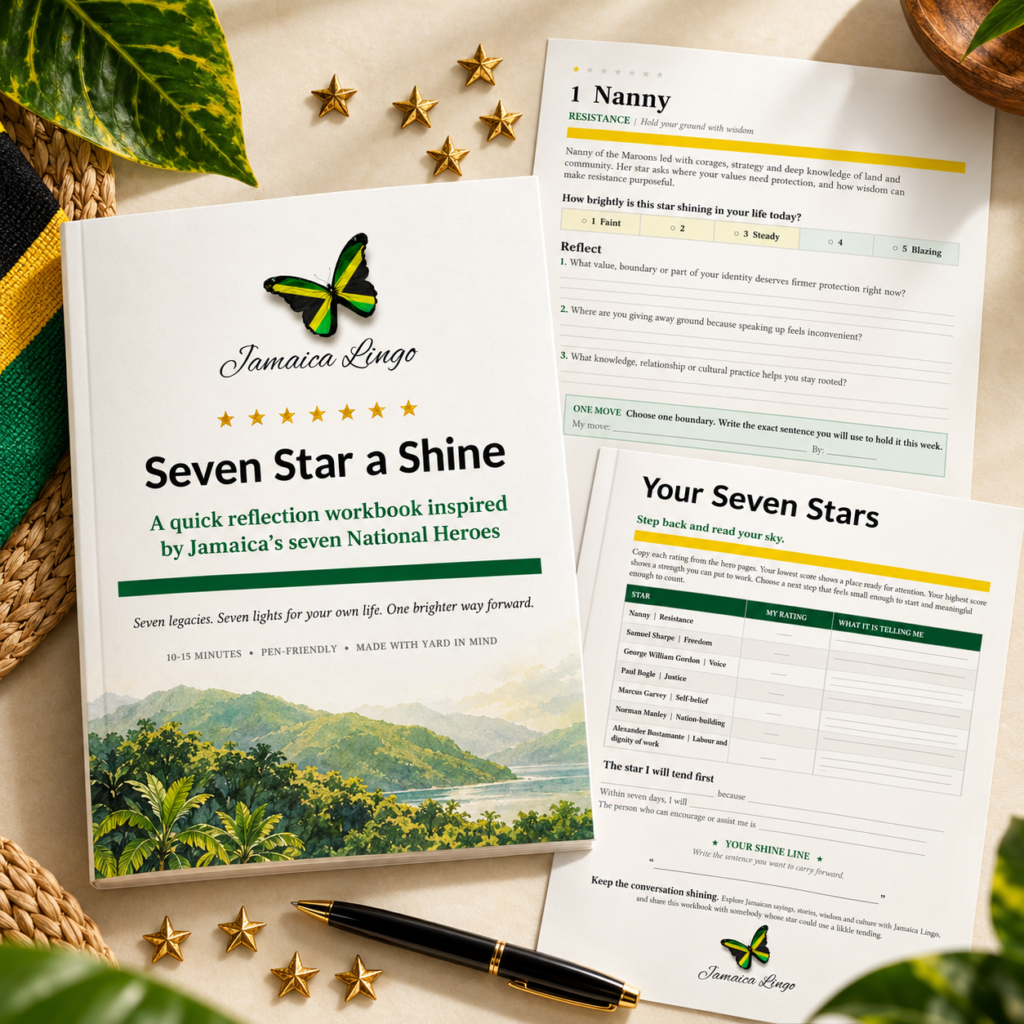
Reflect on the impact of our 7 National Heroes with the Jamaica Lingo Seven Stars Worksheet.
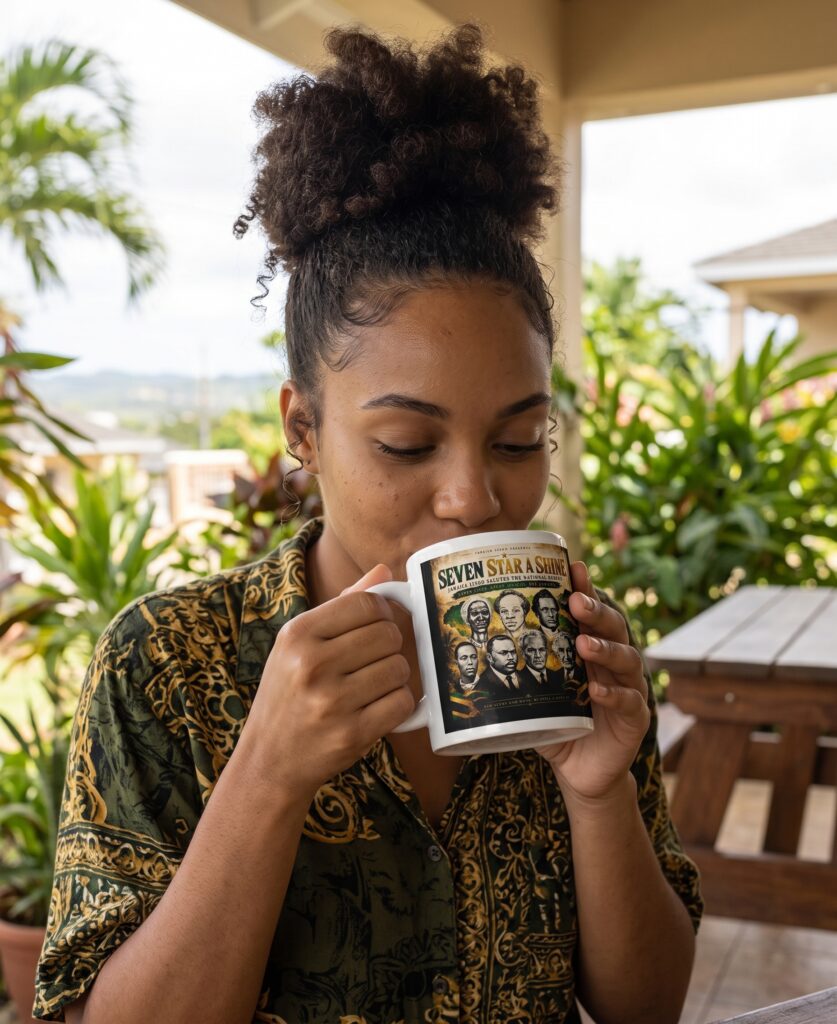
Get our commemorative Seven Stars Mug!
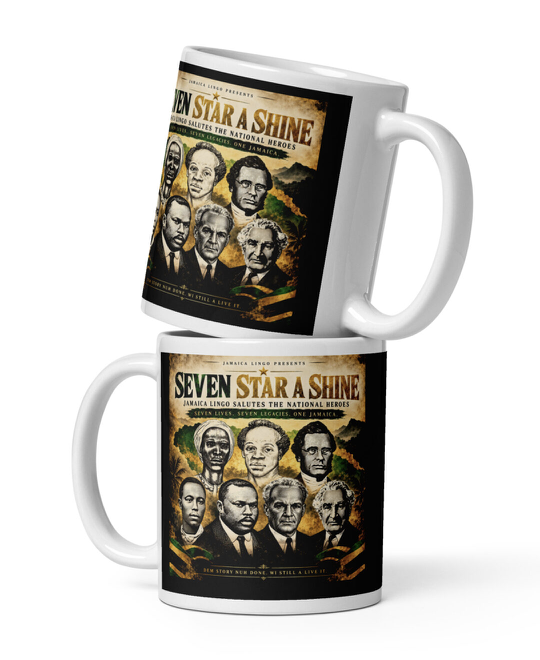
Which Jamaican national hero inspires you the most and why? Share in the comments!
Leave a Reply