

On waiting for change that only intention can bring,
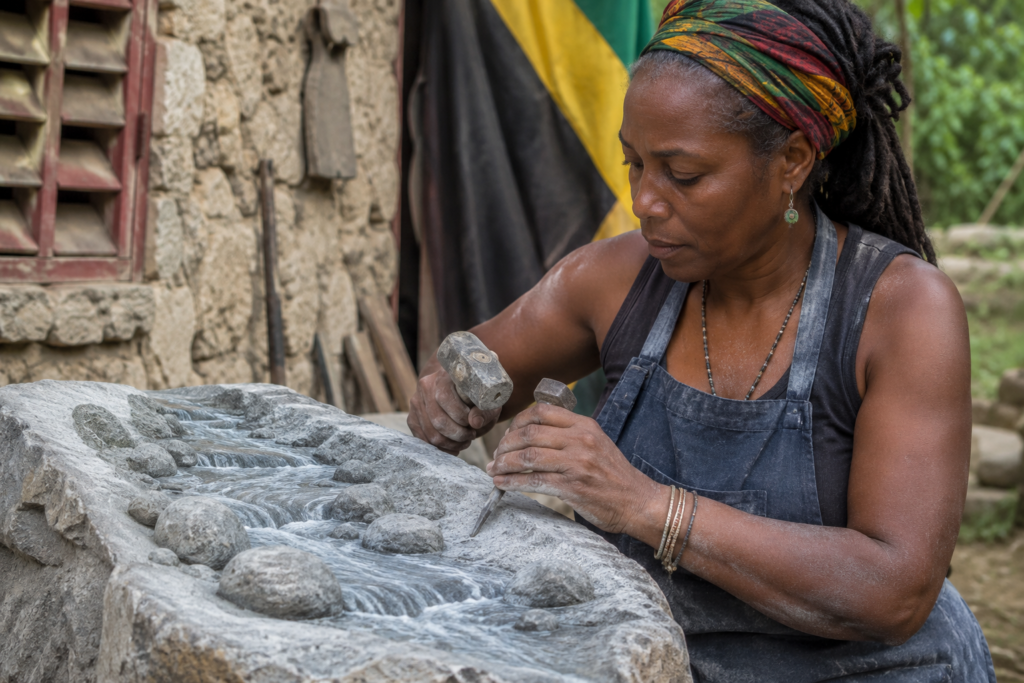
There is a stone sitting at the bottom of a river. Water has flowed over it for years, perhaps even generations. The current has smoothed its rough edges and changed its appearance. Yet if you reach into the river and pick it up, it is still a stone. It has not become a sponge.
That simple observation lies at the heart of a powerful Jamaican proverb: “Stone deh a river bottom long time, but it still cyaan turn sponge.” The proverb reminds us that being around something good for a long time does not automatically change who we are. Time alone does not create transformation. Real change requires something deeper than exposure, proximity, or the passing of years.
At the same time, the proverb offers another important truth. A stone is not failing because it is not a sponge. It is simply being what it is. There is value in understanding the true nature of things and recognizing that not every change we hope for will happen automatically. We may need to accept the beauty of being a stone rather than wishing to be a sponge.
What the Proverb Really Means
Rivers have always been important in Jamaican life. They are places where people gathered, washed, played, and found relief from the heat. Rivers change many things. They smooth rough surfaces, carry away debris, and reshape the landscape over time. In many situations, water is a symbol of transformation.
Yet the stone remains a stone.
The proverb is not suggesting that people cannot change. Rather, it teaches that change does not happen simply because time passes or because we are surrounded by positive influences. A person can spend years in a healthy environment and still hold on to the same habits, attitudes, or behaviours. Real transformation requires awareness, intention, and effort.
The lesson is both simple and profound: meaningful change happens when people choose it and work toward it.
In the Home: Family Patterns Do Not Change by Themselves
Every family passes down patterns from one generation to the next. Some families avoid conflict. Some struggle to express affection. Others communicate openly and directly. Over time, these ways of relating become deeply embedded and can feel as natural as breathing.
A person who grew up in a home where difficult conversations were avoided may spend decades in healthier relationships and still find themselves withdrawing when conflict arises. Someone who learned to suppress emotions may continue doing so even when surrounded by people who encourage openness and honesty.
The proverb reminds us that simply living in a different environment is not always enough. Being exposed to healthier ways of living can help, but it does not guarantee change. Lasting transformation requires recognizing old patterns, understanding their impact, and making deliberate choices to respond differently.
This is not a message of hopelessness. In fact, it is quite the opposite. It reminds us that change is possible, but it begins with honesty. We must first acknowledge what needs to change before we can take meaningful steps toward becoming different.
In Relationships: Love Cannot Do Someone Else’s Work
Many people have experienced the hope that a difficult relationship will improve if they are patient enough. They believe that enough love, understanding, encouragement, or support will eventually inspire the other person to change.
Sometimes that hope is rewarded. People do grow. Relationships can heal. Habits can change.
However, meaningful change requires active participation from the person who needs to change. No amount of love can make that decision for them. You can support growth, encourage reflection, and create a healthy environment, but you cannot do another person’s inner work.
The proverb encourages us to be honest about what is actually happening. Are we seeing genuine effort and commitment to change, or are we simply hoping that time will solve the problem? The answer matters because it shapes our expectations and helps us make wise decisions about the future of the relationship.
Recognizing this reality does not mean giving up on people. It simply means understanding the limits of what patience alone can accomplish.
At Work: Culture Has Its Limits
In organizations, leaders often place tremendous faith in culture. They believe that a strong workplace culture will naturally influence everyone who joins the team. There is truth in that belief. Healthy cultures encourage collaboration, accountability, respect, and performance. They create an environment where people can thrive.
However, culture alone cannot transform someone who has no desire to change.
A leader who lacks self-awareness will not automatically become self-aware simply because they work in a supportive organization. An employee who resists feedback will not suddenly become coachable because they attend training sessions or participate in team-building activities. Positive environments create opportunities for growth, but they cannot replace personal responsibility.
This is one reason why hiring for values and character is so important. Organizations should certainly invest in development and culture, but they must also recognize that every individual ultimately chooses whether to embrace growth or resist it.
The river can influence the stone, but it cannot turn it into something entirely different.
What This Wisdom Asks of Us
This proverb invites us to ask some uncomfortable but important questions. Where are we expecting time to solve a problem that actually requires action? Where are we hoping circumstances will create change when deliberate effort is needed?
If you are working to overcome a long-standing habit, this proverb offers encouragement. Growth rarely happens automatically. Most meaningful change requires practice, accountability, support, and persistence. The fact that transformation feels difficult does not mean you are failing. It simply means you are doing the real work of change.
If you are waiting for someone else to change, the proverb invites a different question. Is there evidence of genuine effort? Are they actively working toward becoming different, or are you relying on hope and time alone? Honest answers to those questions can help you develop more realistic expectations and make wiser decisions.
The proverb challenges us to stop confusing the passage of time with the process of transformation. The two are not the same.
From the Bookshelf
I just finished reading The Correspondent by Virginia Evans. It embodies the proverb’s central idea: accepting your fundamental nature while recognizing that meaningful growth requires conscious effort rather than simply letting the years pass. In the book, the main character, Sybil remains unmistakably herself throughout the novel, but she also demonstrates that it is never too late to examine old patterns, face difficult truths, and make different choices
Harriet Lerner’s The Dance of Anger offers valuable insights into family patterns, relationships, and the challenges of changing behaviours that have become deeply rooted over time. Her work explains why lasting change requires more than good intentions and why personal responsibility is essential for growth.
The novels and essays of James Baldwin explore questions of identity, personal development, and the forces that shape who we become. Baldwin writes powerfully about the tension between accepting ourselves and confronting the changes that life requires.
Jamaican authors such as Colin Channer and Inkosi B. Walton explore character, culture, and human complexity in ways that resonate with the wisdom contained in this proverb. Their stories often remind us that people are shaped by both circumstance and choice.
A Closing Thought
The stone is not defective because it remains a stone. It has its own purpose, strength, and value. Yet when transformation is needed, we should not expect time alone to make it happen.
The river can smooth rough edges. It can influence, shape, and refine. What it cannot do is create change that has not been chosen.
Real transformation requires participation. It requires intention. It requires effort.
So perhaps the question this proverb leaves with us is a simple one: Where in your life are you waiting for the river to do work that only you can do?
Leave a Reply